
Category: Lifestyle

  • How to Balance Work and Personal Life

    How to Balance Work and Personal Life

    Balancing work and personal life is essential for your health, happiness, and long-term productivity. Without balance, stress, burnout, and strained relationships can follow. Achieving harmony is less about rigid schedules and more about mindful choices and boundaries. Here’s how to create a healthier balance.

    Set Clear Boundaries

    Define when your work starts and ends each day. Communicate these boundaries with colleagues and family. Avoid checking work emails or messages outside of work hours whenever possible. Clear boundaries prevent work from spilling into personal time.

    Prioritize Your Tasks

    Not everything on your to-do list is equally important. Focus on high-priority tasks at work and home. Use tools like task lists, calendars, or productivity apps to manage responsibilities efficiently and reduce stress.

    Learn to Say No

    Overcommitting is a major cause of imbalance. Politely decline tasks or projects that overload your schedule or conflict with personal priorities. Saying no protects your time and energy.

    Schedule Personal Time

    Treat personal activities as non-negotiable appointments. Schedule time for exercise, hobbies, family, and rest. This ensures your life is not dominated solely by work responsibilities.

    Use Technology Wisely

    Technology can both help and harm balance. Use apps for productivity, reminders, and automation to save time. At the same time, limit constant notifications and distractions that invade personal time.

    Delegate When Possible

    Delegate work tasks to colleagues and household tasks to family members or services. Delegation reduces pressure and allows you to focus on higher-value activities, both at work and home.

    Take Breaks and Vacations

    Short breaks during work and longer vacations help prevent burnout. Even a 5–10 minute walk or daily downtime can recharge your energy and improve focus.

    Reflect and Adjust Regularly

    Balance is not static; it changes as work and personal life evolve. Regularly assess your schedule, energy levels, and satisfaction. Adjust habits and boundaries to maintain harmony.

    Final Thoughts

    Balancing work and personal life is about conscious choices, boundaries, and prioritization. Small changes in daily habits, scheduling, and mindset can create a sustainable balance, reducing stress and improving overall well-being.
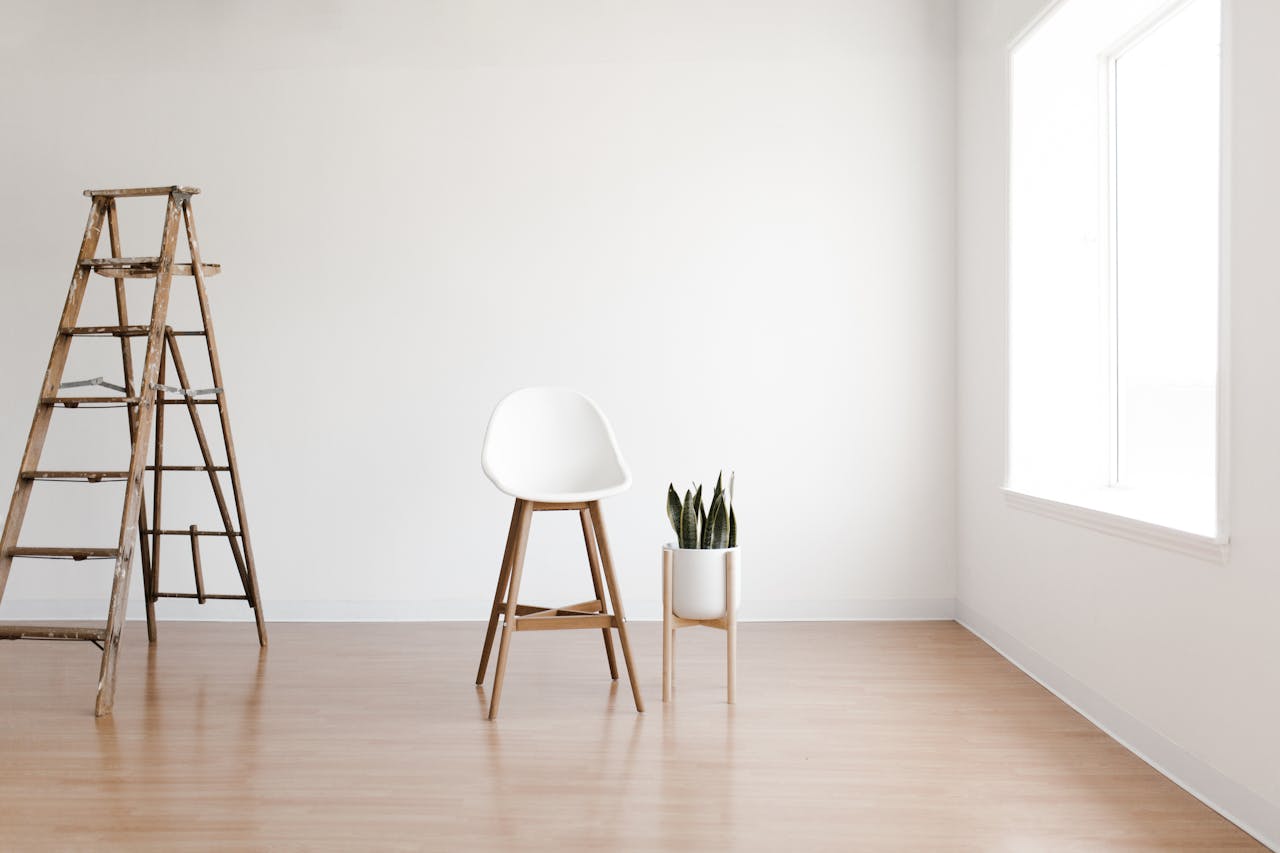

  • Minimal Living: Why Less Is More

    Minimal Living: Why Less Is More

    Minimal living is not about having nothing—it’s about having the right things and focusing on what truly matters. By simplifying your life, you reduce stress, increase clarity, and make space for meaningful experiences. Here’s why less really can be more.

    Focus on What Matters

    Minimalism encourages you to prioritize essentials over excess. By removing clutter—physical, digital, or mental—you can focus on relationships, personal growth, and experiences that bring real value to your life.

    Reduce Stress and Anxiety

    Excess possessions and obligations create mental load. Simplifying your environment and commitments reduces decision fatigue, helps you stay organized, and lowers stress levels.

    Save Time and Money

    Minimal living reduces unnecessary spending and maintenance. With fewer items to buy, clean, and store, you save both time and money. This allows you to invest in experiences rather than things.

    Improve Clarity and Productivity

    A clutter-free space supports a clutter-free mind. When your surroundings are organized, it’s easier to focus, think clearly, and make decisions without distraction.

    Embrace Mindful Consumption

    Minimalism teaches mindful consumption—buying only what you need, choosing quality over quantity, and avoiding impulsive purchases. This not only benefits your finances but also reduces environmental impact.

    Create Space for Experiences

    When your life is less focused on possessions, you make room for experiences, creativity, and meaningful connections. Memories and skills often bring more lasting satisfaction than material goods.

    Build Emotional Freedom

    Owning less means caring less about material things. Minimal living helps you detach from consumer-driven stress and gain freedom to focus on personal values and goals.

    Start Small and Gradually

    You don’t need to declutter everything at once. Begin with one room, one category, or one habit. Gradual steps create lasting changes without overwhelm.

    Final Thoughts

    Minimal living is a mindset, not a strict rule. By embracing simplicity, you gain control, clarity, and freedom in life. Less truly can be more when it allows you to focus on what really matters—your happiness, growth, and meaningful experiences.

  • Ways to Reduce Stress Without Medication

    Ways to Reduce Stress Without Medication

    Stress is a natural part of life, but chronic stress can affect your health, focus, and happiness. You do not need medication to manage it—small, consistent habits can make a big difference. Here are practical ways to reduce stress naturally.

    Practice Deep Breathing

    Deep breathing activates the body’s relaxation response. Try inhaling slowly for 4 counts, holding for 4, and exhaling for 6. Repeat a few minutes to calm your mind and lower tension.

    Exercise Regularly

    Physical activity releases endorphins, which improve mood and reduce stress. Even a short walk, stretching, or light home workout can help clear your mind.

    Spend Time in Nature

    Being outdoors, near trees or water, lowers cortisol levels and improves mental clarity. Take regular walks in parks or simply sit outside to recharge.

    Limit Screen Time

    Constant notifications, social media, and news overload can increase stress. Set boundaries on device use and take breaks to disconnect.

    Practice Mindfulness or Meditation

    Mindfulness exercises, such as focusing on your breath or sensations, reduce anxiety and promote calm. Start with 5–10 minutes daily and gradually increase.

    Stay Connected

    Talking to friends, family, or a support group provides perspective and emotional relief. Social connections are vital for mental well-being.

    Prioritize Sleep

    Lack of sleep increases stress hormones. Aim for 7–8 hours per night and maintain a consistent sleep schedule to allow your mind and body to recover.

    Organize Your Tasks

    Stress often comes from feeling overwhelmed. Write down tasks, prioritize them, and tackle one thing at a time. Breaking big tasks into smaller steps reduces pressure.

    Engage in Hobbies

    Activities you enjoy—reading, drawing, cooking, or music—help you relax and shift focus away from stressors.

    Practice Gratitude

    Daily reflection on things you are grateful for shifts attention from negative thoughts to positive ones, reducing stress and improving overall mood.

    Final Thoughts

    Reducing stress without medication is about building healthy habits, managing your environment, and taking care of your mind and body. Consistency is key—small actions every day can create lasting calm and resilience.

  • How to Build a Healthy Morning Routine

    How to Build a Healthy Morning Routine

    A healthy morning routine sets the tone for your entire day. The way you start your morning directly affects your energy, focus, and productivity. You do not need a complicated schedule or extreme habits. What matters is consistency and simplicity.

    Here is how to build a morning routine that actually works.

    Wake Up at a Consistent Time

    Waking up at the same time every day helps regulate your internal clock. This improves sleep quality, mood, and mental clarity. Try to avoid hitting the snooze button, as it disrupts your sleep cycle and increases fatigue.

    Avoid Your Phone Immediately

    Checking your phone right after waking exposes your mind to stress, notifications, and distractions. Give yourself at least 20 to 30 minutes without screens so your brain can wake up naturally and calmly.

    Drink Water First

    Your body becomes dehydrated during sleep. Drinking one or two glasses of water in the morning helps activate your metabolism, improve digestion, and increase alertness.

    Move Your Body

    Light physical movement wakes up your muscles and boosts circulation. You can stretch, walk, or do a short home workout. Even five to ten minutes is enough to raise energy levels.

    Get Natural Light

    Sunlight signals your brain that the day has started. Open your curtains or step outside for a few minutes. This helps regulate hormones and improves focus throughout the day.

    Eat a Balanced Breakfast

    A healthy breakfast provides fuel for your brain and body. Focus on protein, fiber, and healthy fats. Avoid heavy sugar in the morning, as it leads to energy crashes later.

    Set Clear Daily Priorities

    Take a few minutes to plan your day. Write down your top three tasks and important goals. This reduces stress and keeps you focused on what truly matters.

    Practice a Calm Mental Habit

    Spend a short time on a calming activity such as deep breathing, meditation, journaling, or gratitude reflection. This improves emotional balance and reduces anxiety.

    Keep It Simple and Realistic

    Your routine should fit your lifestyle. Do not copy complex routines from others. A successful routine is one you can maintain every day without pressure.

    Stay Consistent

    Consistency matters more than perfection. Missing one morning does not mean failure. Return to your routine the next day and keep going.

    Final Thoughts

    A healthy morning routine is not about doing more. It is about doing the right things with intention. Start small, stay consistent, and allow your routine to grow naturally over time.

    When your mornings improve, your entire life begins to improve with them.

  • 10 Simple Habits That Improve Your Daily Life

    10 Simple Habits That Improve Your Daily Life

    Improving your life does not require dramatic changes or expensive programs. In most cases, real progress comes from small habits repeated consistently. Simple daily actions can strengthen your mindset, boost your energy, and improve your overall quality of life.

    Here are ten practical habits that can make a noticeable difference over time.

    1. Start Your Day Without Your Phone

    Checking your phone immediately after waking increases stress and distraction. Notifications push your mind into reaction mode before your day even begins.

    Instead, spend the first 15–30 minutes without screens. Stretch, drink water, or simply sit quietly. This allows your mind to start the day calmly and with intention.

    2. Drink Water First Thing in the Morning

    After several hours of sleep, your body is dehydrated. Drinking one or two glasses of water upon waking helps improve energy levels, support digestion, and boost mental clarity.

    This single habit can significantly improve how you feel throughout the day.

    3. Make Your Bed Every Morning

    Making your bed may seem insignificant, but it creates an early sense of accomplishment.

    Completing one task first thing in the morning builds momentum and encourages productivity for the rest of the day.

    4. Move Your Body Daily

    You do not need intense workouts to stay healthy. Simple movement such as walking, light stretching, or home exercises is enough.

    Even 20–30 minutes a day improves circulation, mood, and long-term health.

    5. Eat More Real Food

    Reduce processed foods and focus on real ingredients like vegetables, fruits, eggs, grains, and lean proteins.

    Small changes in diet can dramatically affect energy levels, focus, and emotional stability.

    6. Plan Tomorrow Before Sleeping

    Spend five minutes each night writing down your top three tasks for tomorrow, important reminders, and personal priorities.

    This clears your mind and reduces anxiety, allowing you to sleep better and start the next day focused.

    7. Read for 10 Minutes a Day

    Reading expands your thinking and improves concentration.

    Ten minutes a day adds up to thousands of minutes per year and allows you to finish several books effortlessly.

    8. Practice Gratitude Daily

    Take a moment to acknowledge what is going well in your life.

    You can write down three things you are grateful for or simply reflect mentally. Gratitude improves mental health and shifts attention away from negativity.

    9. Limit Social Media Usage

    Excessive social media consumption often leads to comparison, distraction, and anxiety.

    Setting boundaries such as fixed time limits or avoiding social media early in the day helps protect your focus and mental clarity.

    10. Sleep at a Consistent Time

    Quality sleep directly affects mood, concentration, immunity, and productivity.

    Going to bed and waking up at consistent times stabilizes your internal clock and improves overall performance.

    Final Thoughts

    A better life is built through small decisions repeated daily.

    You do not need to change everything at once. Start with one habit, stay consistent, and gradually add more. Over time, these simple actions can transform how you feel, think, and live.

    Progress is not about perfection. It is about consistency.