Category: Tech

  • Tips to Protect Your Privacy Online

    Tips to Protect Your Privacy Online

    In today’s digital world, protecting your privacy online is more important than ever. From social media to online shopping, your personal information can be exposed or misused if proper precautions aren’t taken. Here are practical tips to safeguard your privacy.

    Use Strong and Unique Passwords

    Avoid using the same password across multiple accounts. Use strong combinations of letters, numbers, and symbols. Consider using a password manager to generate and store secure passwords.

    Enable Two-Factor Authentication (2FA)

    Two-factor authentication adds an extra layer of security. Even if someone obtains your password, 2FA requires a second form of verification—like a code sent to your phone—to access your account.

    Keep Software Updated

    Regular updates to your operating system, apps, and browsers patch security vulnerabilities. Enable automatic updates wherever possible to stay protected from emerging threats.

    Limit Personal Information Online

    Be cautious about the personal information you share on social media, websites, or apps. Avoid posting sensitive data like your home address, phone number, or financial details publicly.

    Use Secure Connections

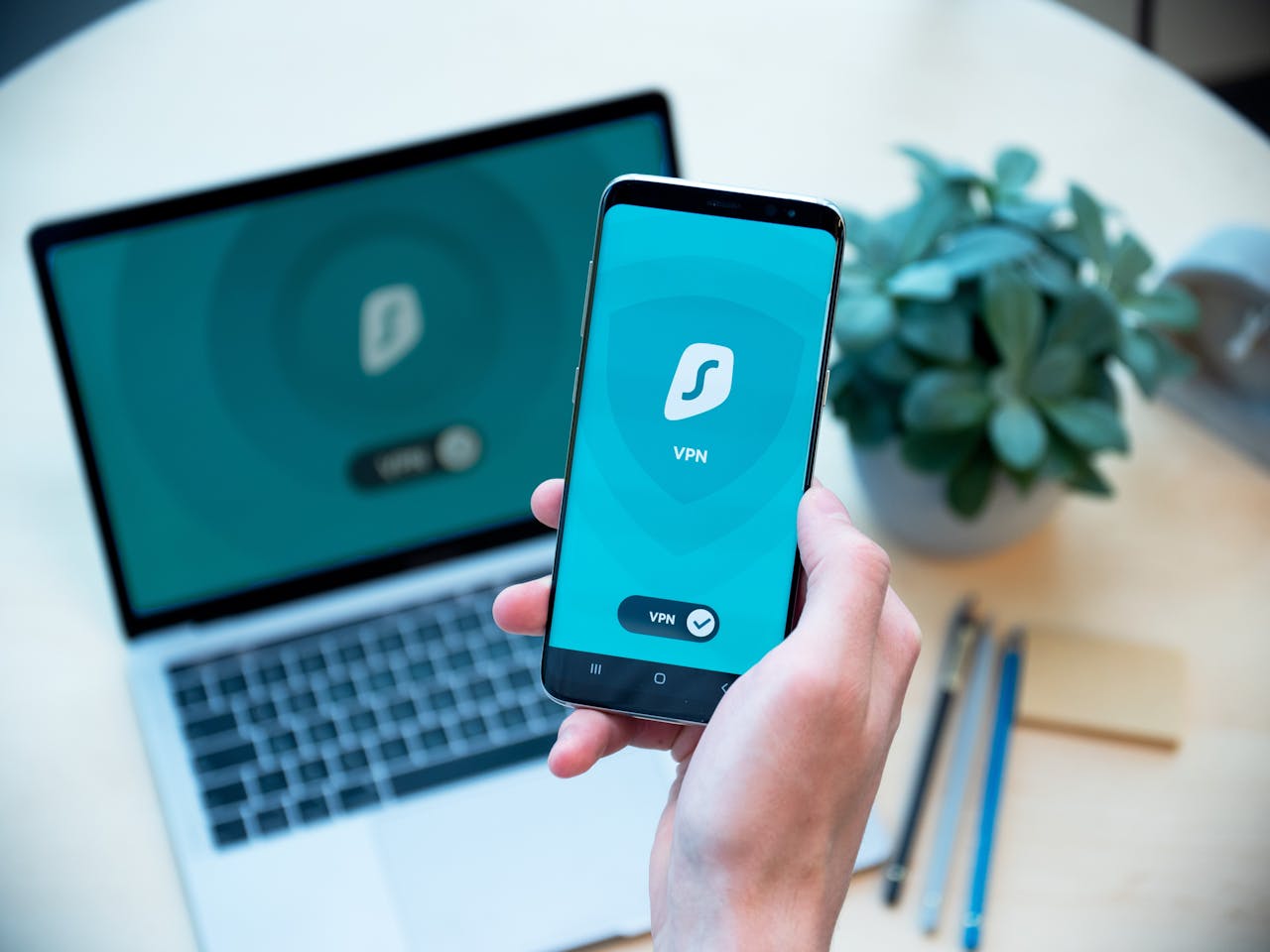
    Always use websites with HTTPS and avoid public Wi-Fi for sensitive transactions. Consider using a VPN (Virtual Private Network) to encrypt your internet traffic and maintain privacy.

    Manage Cookies and Trackers

    Websites track your activity using cookies and analytics tools. Regularly clear cookies and use browser settings or extensions to limit tracking and targeted ads.

    Be Wary of Phishing Scams

    Phishing emails and messages attempt to trick you into revealing personal information. Always verify the sender, avoid clicking suspicious links, and do not download attachments from unknown sources.

    Review App Permissions

    Many apps request access to your location, contacts, microphone, or camera. Regularly review app permissions and disable unnecessary access to reduce exposure.

    Use Encrypted Messaging

    Choose messaging apps that offer end-to-end encryption, such as Signal or WhatsApp, to ensure your conversations remain private.

    Stay Informed About Privacy Policies

    Understand how the platforms and services you use handle your data. Adjust privacy settings to limit data collection whenever possible.

    Final Thoughts

    Protecting your privacy online is about awareness and consistent habits. By using strong passwords, secure connections, and mindful sharing, you can reduce risks and maintain control over your personal information in the digital world.


  • How Artificial Intelligence Is Changing Our Lives

    How Artificial Intelligence Is Changing Our Lives

    Artificial Intelligence (AI) is no longer a concept of the future—it’s part of our daily lives. From the apps we use to the way businesses operate, AI is transforming the way we live, work, and interact. Understanding its impact helps us adapt and take advantage of its benefits.

    Smarter Personal Assistants

    AI powers virtual assistants like Siri, Google Assistant, and Alexa, helping with tasks such as setting reminders, answering questions, and controlling smart home devices. These assistants make daily life more convenient and efficient.

    Improved Healthcare

    AI is revolutionizing healthcare through tools like predictive diagnostics, personalized treatment plans, and medical imaging analysis. AI can detect diseases earlier and assist doctors in providing better care, improving patient outcomes.

    Enhanced Online Experiences

    AI drives recommendations on platforms like Netflix, YouTube, and Spotify, helping users discover content they enjoy. Algorithms analyze user behavior to personalize experiences, saving time and enhancing satisfaction.

    Smarter Workplaces

    Businesses use AI for automation, data analysis, and decision-making. Tasks such as customer support (chatbots), fraud detection, and inventory management are handled faster and more accurately, freeing humans for higher-level work.

    Autonomous Transportation

    AI powers self-driving cars, drones, and smart traffic systems. These technologies promise safer roads, reduced congestion, and improved efficiency in transportation and logistics.

    Better Communication and Translation

    AI enables real-time translation and transcription tools, breaking down language barriers and allowing seamless global communication. Apps like Google Translate and AI-powered captioning services make information accessible to everyone.

    Smarter Home Technology

    AI helps run smart homes, controlling lighting, security, temperature, and appliances. These systems optimize energy usage, improve comfort, and enhance safety.

    Ethical Considerations

    While AI brings immense benefits, it raises concerns about privacy, job displacement, and biased algorithms. Understanding these challenges is essential to ensure AI is used responsibly and ethically.

    Final Thoughts

    Artificial Intelligence is reshaping nearly every aspect of our lives—from personal convenience to global industries. By embracing AI thoughtfully, we can enhance productivity, improve healthcare, and enjoy smarter, more personalized experiences while being

  • Best Mobile Apps Everyone Should Use

    Best Mobile Apps Everyone Should Use

    In today’s digital world, mobile apps can simplify daily tasks, boost productivity, and improve overall lifestyle. Whether for work, health, or entertainment, having the right apps makes life easier. Here’s a list of essential apps everyone should consider.

    1. Productivity Apps

    Productivity apps help you organize your tasks, notes, and time. Popular options include:

    • Todoist – Task management and to-do lists
    • Notion – All-in-one workspace for notes, tasks, and projects
    • Microsoft OneNote – Note-taking and organization

    These apps help keep your life organized and reduce stress from forgetting tasks.

    2. Communication Apps

    Staying connected with friends, family, and colleagues is crucial. Essential communication apps include:

    • WhatsApp – Messaging and voice/video calls
    • Telegram – Fast messaging with privacy features
    • Zoom – Video meetings and collaboration

    Good communication apps streamline interaction and collaboration, both personally and professionally.

    3. Health and Fitness Apps

    Apps for health help track activity, diet, and wellness:

    • MyFitnessPal – Tracks calories and nutrition
    • Headspace – Guided meditation and stress reduction
    • Strava – Running and cycling activity tracking

    These apps encourage healthier habits and help manage stress and fitness goals.

    4. Finance Apps

    Managing money is easier with reliable finance apps:

    • Mint – Budgeting and expense tracking
    • PayPal – Online payments and money transfers
    • Robinhood – Simple investing for beginners

    Finance apps save time and improve financial awareness.

    5. Entertainment and Learning Apps

    Learning and entertainment apps enhance leisure and personal growth:

    • Spotify – Music streaming and podcasts
    • Audible – Audiobooks for learning and entertainment
    • Duolingo – Learn new languages in a fun, interactive way

    These apps make downtime productive and enjoyable.

    Final Thoughts

    Choosing the right apps depends on your lifestyle, but productivity, communication, health, finance, and learning apps are universally helpful. Using these apps wisely can save time, reduce stress, and enhance your daily life.